Training a junior stylist can help you build a skilled team, maintain high standards and prepare your salon for future growth. But when appointment books are full and your team is already busy, finding time to train someone can feel like another responsibility. For salon owners across South Wales, the challenge is developing new talent while keeping the business running smoothly. With a clear plan and the right support, you can make training a manageable part of salon life.
At ISA Training, we understand that developing junior talent is essential to the future of the hair and beauty industry, but finding time to train new staff can be challenging for busy salons. Through our hairdressing apprenticeships across South Wales, we support employers to develop their teams with guidance from dedicated Trainer Coaches.
Here, we explore practical ways to train a junior stylist, maintain salon standards and support their progress without putting unnecessary pressure on your team.
1. Set clear expectations
From the beginning, make sure your junior stylist understands their responsibilities, your salon standards and the skills they need to develop.
Break learning into manageable stages, with responsibilities increasing as their confidence and competence grow. This gives the learner a clear direction and helps your team understand how to support their progress.
2. Make training part of the working day
Training does not always need to involve setting aside hours for separate sessions. Suitable everyday opportunities, such as observing client consultations, learning salon procedures and receiving feedback on practical techniques, can all support development.
Plan these opportunities around your salon’s workload, ensuring client care and service quality remain the priority.
3. Maintain your salon’s standards
A junior stylist needs time and guidance to develop their skills. Make sure their responsibilities reflect their current ability and that appropriate supervision is in place.
Regular feedback helps learners understand what they are doing well and where they need to improve. Clear expectations also help protect the standards and reputation your salon has worked hard to build.
4. Share responsibility across the team
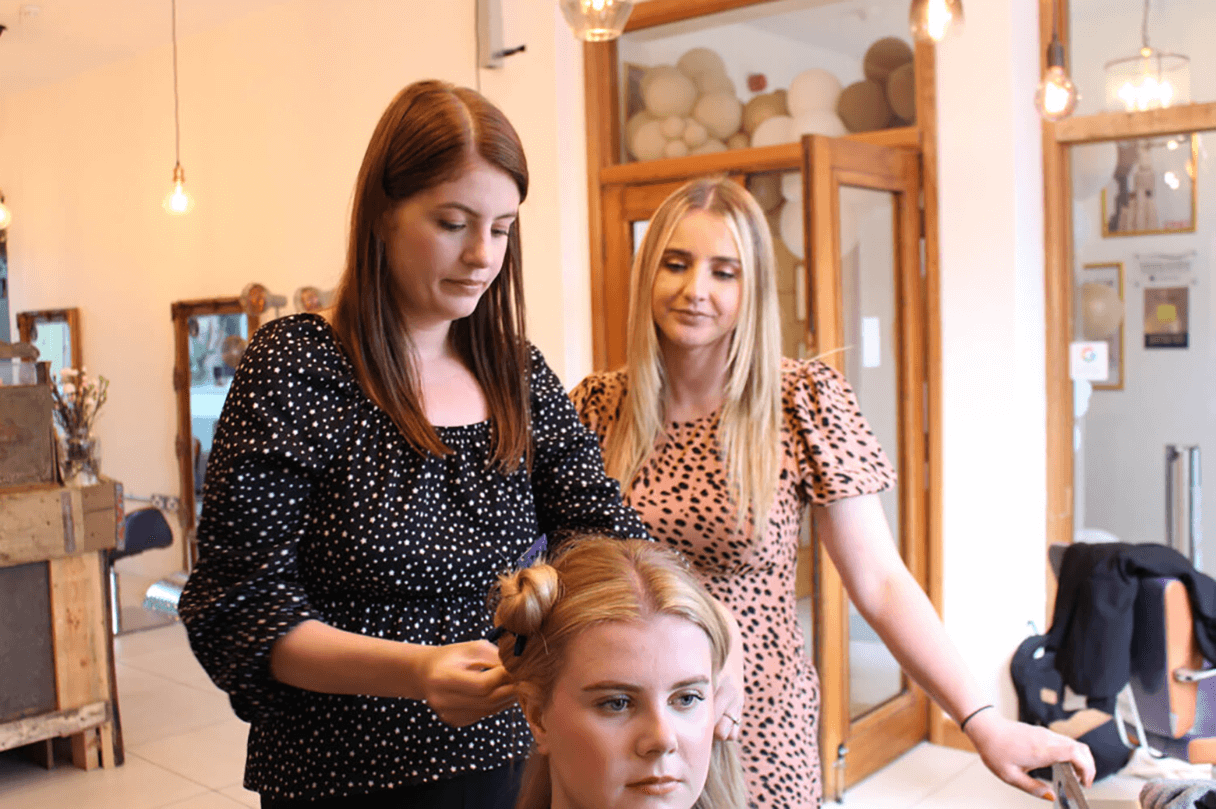
Experienced stylists have valuable knowledge to pass on, but training should not become an extra burden for one person.
Where possible, share appropriate development responsibilities across the team. Make sure colleagues understand what is expected of them and have realistic opportunities to provide support.
5. Use an apprenticeship to structure development
If you employ a junior stylist who wants to progress, a hairdressing apprenticeship can provide a structured route to gaining a recognised qualification while continuing to work in your salon.
At ISA Training, dedicated Trainer Coaches support learners throughout their development, helping connect their training with the realities of working in the hair and beauty industry.
Apprenticeships are fully funded for eligible learners and employers in Wales, subject to eligibility requirements. Employers remain responsible for wages and for providing workplace guidance and opportunities to practise.
Develop your salon team with ISA Training
Investing in a junior stylist takes time, but it can help you develop talent in-house, strengthen your team and plan for the future.
ISA Training specialises in hairdressing, barbering, beauty and nails, supporting salons across South Wales with workplace apprenticeships and dedicated Trainer Coach support.
Want to develop your team? Contact ISA Training to discuss your salon’s needs and explore the options available.